Steam rooms, saunas & spas in Nepal built so your building never pays for them
A wellness area is where the most damage hides. Steam and water build up behind walls you can’t see, and a room built wrong doesn’t fail on day one — it fails in year three, inside the structure. Whether it’s a hotel spa or a wellness room at home, we build steam rooms, saunas, infrared saunas, jacuzzis, and cold plunges as the specialist envelopes they are, so the room does its job and the building never pays for it.
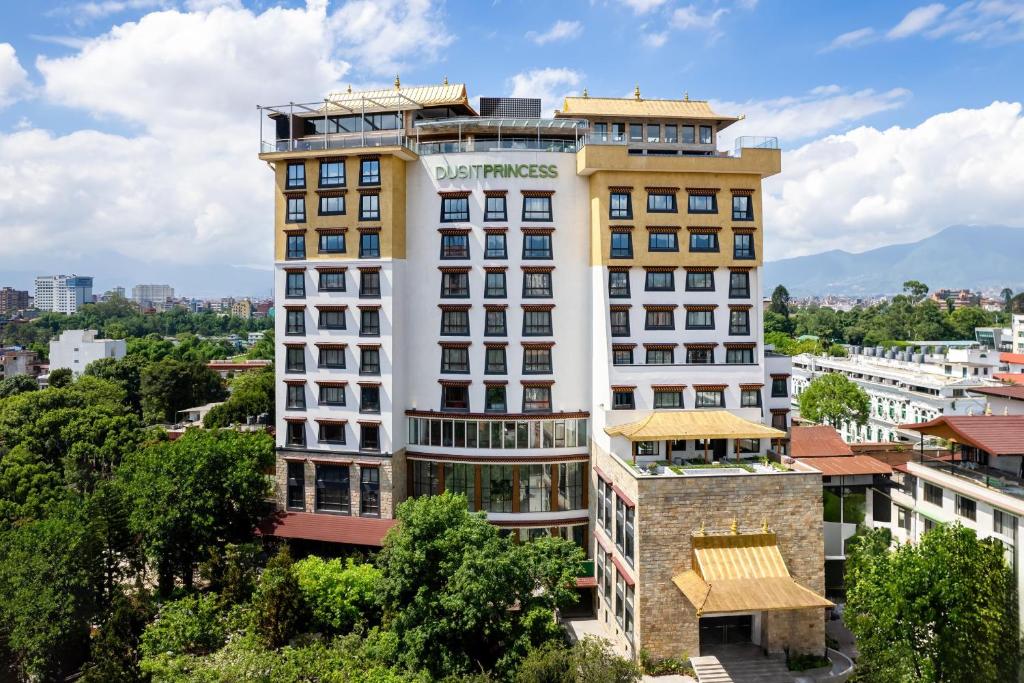
A steam room is a vapor-proof envelope with dedicated ventilation. Built to spec, no moisture leaves the room. The seepage horror stories all come from steam rooms built like bathrooms — tile on brick, no vapor barrier — where the steam finds the structure and stays there. We’ve built the steam rooms at Kathmandu Marriott, Dusit Princess Kathmandu, and Hilton Kathmandu. This is the single most specialist build in a wellness area, which is exactly why five-star properties don’t hand it to a general contractor.
02.
Saunas — Finnish-built, sized to the room
A sauna is timber, heat, and airflow working together. The wood has to be the right species and grade, the heater sized to the room’s volume — not guessed — and the ventilation designed so the heat is even and the timber lasts. We built the sauna at The Pavilions Himalayas that’s still in service after a decade, and the saunas at Marriott, Dusit Princess, and Hilton in Kathmandu. Get the heater and ventilation wrong and you get a sauna that’s too hot at the ceiling, cold at the bench, and hard on the wood.
03.
Infrared saunas — chosen for the heat, not the shortcut
Some clients want infrared specifically: the lower, deeper heat people choose for recovery and daily use. We specify Tylö infrared panels — the Swedish maker that’s been building saunas in Halmstad for 75 years. We’ve built both kinds in private homes around Kathmandu: a standalone infrared cabin, and a full timber sauna with Tylö panels fitted inside it, for an owner who wanted the traditional sauna and the infrared benefits in one room. Infrared warms the body directly through the panels rather than heating the air, so it runs cooler, draws less power, and is ready when you are.
04.
Jacuzzis — a jacuzzi is not a small pool
A jacuzzi runs hot, aerated, and heavily used, so the water chemistry moves far faster than a pool’s. It needs its own dedicated treatment and filtration, not a scaled-down pool setup. Treat it like a small pool and it goes cloudy and scaled within weeks. Built with its own plant, as we did at Kathmandu Marriott, it stays clear and safe through constant use.
05.
Cold plunge — two ways to build one
A cold plunge holds water at a low set temperature with a dedicated chiller, plus its own filtration and sanitation to stay clean between users. There are two routes: a ready-made unit with chiller, filtration, and sanitation built in, which suits a retrofit or a tight timeline; or a poured RCC plunge — a small deep pool with a chiller on it — which lets you set the size, depth, and finish to match the rest of the wellness area. We’ll tell you which one your space and budget actually call for.
06.
Wellness areas — planned as one system
For a hotel, the wellness area is a bookable amenity, not a cost line: a steam-sauna-plunge circuit that keeps working is something guests photograph and pay for. For a home, it’s the difference between a spa you use daily and one that’s always half-broken. Either way, we plan the whole area at design stage so the plant, ventilation, and drainage are right before the walls go up.
Marriott
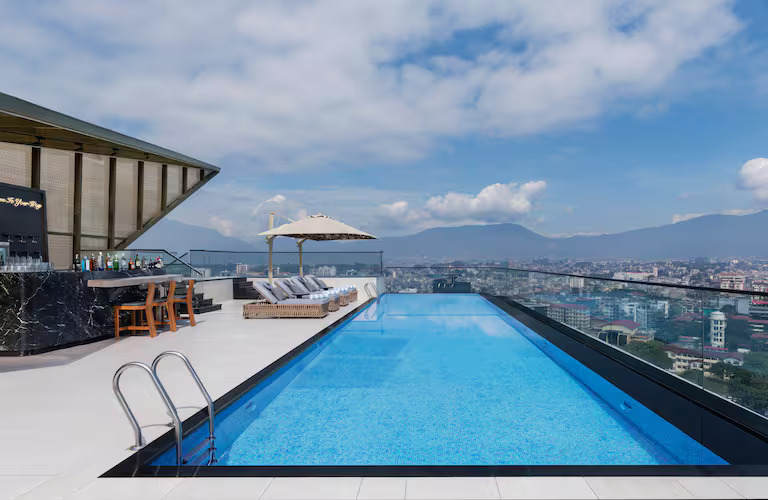
Swimming pool, Steam sauna, Hot Tub (Jacuzzi), Waterbody (Fountain)
Dusit Princess Kathmandu
Swimming pool, Steam sauna, Hot Tub (Jacuzzi)
Hilton Hotel
Heated Pool, Hot Tub (Jacuzzi), Steam Sauna, Waterbody, Hilti Application, Projection System
Not when it’s built as a sealed vapor-proof envelope with dedicated ventilation — that’s the specialist part. Seepage stories come from steam rooms built like bathrooms: tile on brick, no vapor barrier.
Each element has its own routine — sauna timber and heater checks, jacuzzi and plunge water chemistry, steam-room seals and ventilation. PoolCare covers all of it on one plan, with a monthly written report.
Yes. Steam, sauna, infrared, jacuzzi, and cold plunge planned together at design stage, so the systems share plant sensibly, whether it’s a hotel spa passing a brand audit or a private wellness room.
Planning a wellness area?
Talk to our engineers at design stage — that’s when we save you the most money.